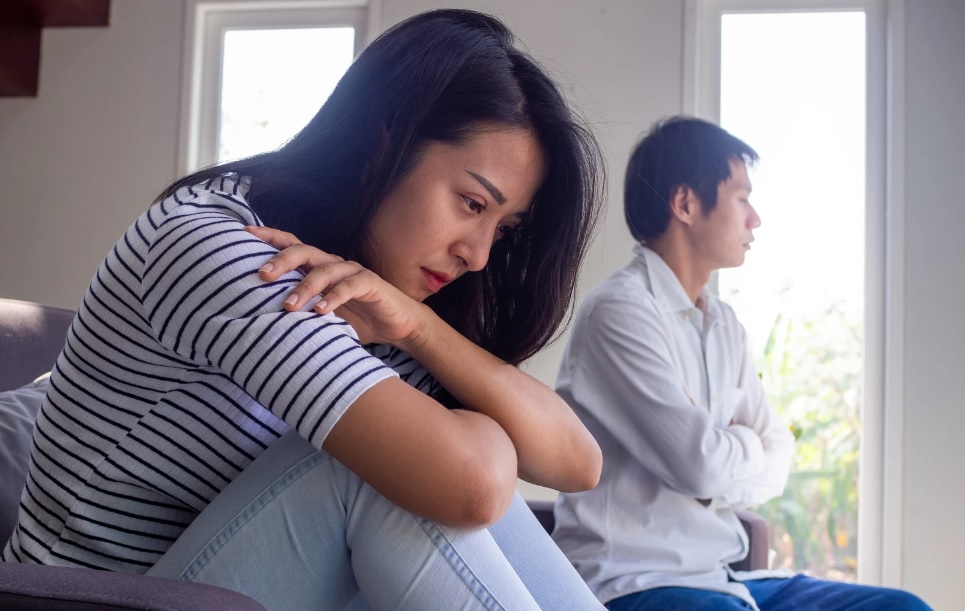
Relationships can be a beautiful journey filled with love, connection, and growth. However, it’s not uncommon for individuals to experience fluctuations in their feelings over time. The question, “Is it normal to lose feelings in a relationship?” often arises, stirring up confusion and concern among partners.
While the initial spark may fade, understanding the dynamics of emotional change is crucial for maintaining a healthy relationship. Factors such as stress, life transitions, or even routine can influence feelings, leading to moments of doubt or disconnection.
This article delves into the complexities of heartfelt shifts, exploring why they occur, how to navigate them, and when it might be time to reassess the relationship.
Learn The Most Effective Ways To Get Your Ex Back and Stop Them From Staying Away! The 12-Word Text That Will Transform Your Relationship!
Whether you’re questioning your feelings or simply seeking to understand the ebb and flow of love, this must-read guide offers valuable insights to help you navigate your emotional landscape.
Is It Normal to Lose Feelings in a Relationship?
It is common for people to lose feelings in the middle of a relationship, especially as they navigate different phases of a relationship. Sometimes, you might feel like your relationship has hit a plateau, and losing interest in your partner can lead to boredom and confusion.
This loss of interest may feel daunting, particularly if you’re making a long-term commitment that aims to foster stability and emotional connection.

A relationship expert or counselor might suggest that people lose feelings due to various factors, including personal growth or hormonal changes. Communicating openly with your partner about your feelings is essential, as this can help you both reconnect and understand each other’s heartfelt states.
If you find yourself in a place where you may feel disconnected from your partner, it’s vital to assess whether the stability of your relationship is worth fighting for.
Sometimes, talking to your partner about these feelings can clarify whether it’s a temporary phase or an indication that you might need to end your relationship.
The fear of losing a long-term connection can be overwhelming, but understanding that people may go through this can ease that burden. Maintaining respect and responsibility in a relationship is crucial, even as emotions ebb and flow.
Why You Could Suddenly Lose Feelings for Your Partner
Sometimes, after a few dates, you might see things differently, leading to a lack of love that can confuse both partners. This change over time could be due to various factors, such as hormonal shifts or a relationship’s natural evolution.
As a couple, you may find that your preference for emotional stability and connection can drastically alter how you feel about each other. A breakup may feel inevitable, especially if you struggle to overcome any problems that arise during the ups and downs of your time together.
Losing feelings for a partner can stem from:
- Lack of communication: Unresolved issues and unmet needs erode intimacy.
- Changing priorities: Life stages and personal growth can shift focus.
- Unresolved conflicts: Lingering resentments can dampen affection.
- Lack of emotional connection: Feeling distant or misunderstood.
- External stressors: Financial problems or family issues can strain the relationship.
What Causes Loss of Attraction with Someone You Love?
Loss of attraction in a romantic relationship always happens and can be distressing. Initially, the connection between partners may feel strong, but over time, factors like changing interests or emotional distance can lead to a loss of attraction.
For instance, if your partner’s hobbies shift dramatically, this may change the relationship dynamics, making it challenging to identify the source of the problem.
A therapist might suggest that emotional intimacy is crucial; when it diminishes, attraction can fade. External stressors, such as work or family obligations, can also affect the stability of the relationship, irritating both partners and creating a sense of disconnect.
Moreover, the biochemical aspect must be considered. Hormonal changes, especially after about six months of being together, might play a role in the initial passion dissipating. If you’ve invested a lot into the relationship, it can be challenging to acknowledge that the feeling goes away.
However, it’s essential to communicate openly with your partner about these feelings and work together to regain that intimacy. Another person or newfound interests can also inadvertently impact your bond, but recognizing these shifts is the first step in nurturing a mutual connection.
10 Falling Out of Love Signs
Certainly! Here’s a list of signs that someone might be falling out of love:
– Reduced Communication
They no longer feel the need to share their thoughts, feelings, or daily experiences with you, and conversations become shallow and infrequent.
– Lack of Interest
They show little interest in your life, achievements, or struggles. Their enthusiasm for engaging in activities together has faded.
– Emotional Distance
There’s a noticeable emotional gap. They might seem more distant, less affectionate, or uninterested in maintaining a deep, heartfelt connection.
– Avoidance of Physical Intimacy
Physical closeness, such as hugging, kissing, or holding hands, becomes less frequent or feels forced.
– Increased Irritability
They get annoyed or frustrated with you more efficiently, even over small matters. Minor issues that were once overlooked are now sources of conflict.
– Spending More Time Apart
They prefer to spend more time alone or with others than with you, and their priorities shift away from the relationship.
– Lack of Future Plans
They no longer talk about the future or make plans together. Discussions about long-term goals or dreams fade away.
– Criticism and Blame
They start criticizing you more often, pointing out flaws, or blaming you for problems in the relationship.
– Indifference
They seem indifferent to your emotions or needs. Whether you’re happy or upset, it doesn’t affect them much.
– Feelings of Relief During Separation
They appear more relaxed and content when you’re apart, indicating that they may find being alone or with others more fulfilling.
Recognizing these signs early can help address issues in the relationship or prepare for a possible transition. It’s important to communicate openly if you notice these changes.
Sudden Change in Feelings Doesn’t Necessarily Mean your Relationship is Over
Sudden changes in feelings within a relationship can be unsettling, but they don’t always indicate that the relationship is over.
It’s important to communicate openly and honestly with your partner to understand the root cause of these changes and work together to address them. Relationships go through ups and downs, and it’s normal for feelings to fluctuate over time.
Remember, relationships require effort from both partners, and it’s expected to experience challenges along the way. If both parties are willing to work through the changes and grow together, it’s possible to overcome this phase and strengthen the relationship.
Attachment or Emotional Dependence
Attachment or emotional dependence can profoundly influence a relationship’s stability. In many cases, this dynamic can create a situation in which one partner is still overly reliant on the other for emotional support.
This type of bond might initially feel intimate and fulfilling, yet it can lead to issues when the party may struggle with feelings of inadequacy or fear of abandonment.
As a result, the relationship might become unbalanced, leaving one person trapped while the other overwhelmed.
On platforms like Quora, users often discuss their experiences with emotional dependence, making it difficult to tell if a relationship is healthy or not. The hormone oxytocin, sometimes referred to as the “love hormone,” plays a significant role in forming these attachments.
While some level of attachment could be good, couples need to maintain their individuality and not solely hold onto each other for heartfelt security.
What Lack of Intimacy Does to a Woman You Fall in Love with?
When a woman you fall in love with experiences a lack of intimacy, it can profoundly affect the stability of the relationship. Intimacy is a crucial element that fosters emotional connection; without it, feelings of loneliness and disconnection can surface.
She may begin to question the very foundation of your bond, leading to doubts about whether you can stay together in the long run. The emotional void this absence creates can be challenging to navigate, as both partners feel the strain of unfulfilled needs.
The lack of intimacy may trigger sensitive, detrimental responses as the relationship evolves. She might feel vulnerable and insecure, questioning her worth and the direction of the partnership.
Initially answered by experts, maintaining communication about intimacy is vital. A mutual understanding of needs can help re-establish that crucial connection, allowing both partners to explore their feelings openly, much like a well-crafted privacy policy that protects personal boundaries.
Expert Advice: Have an Honest Conversation with Your Partner
An honest conversation with your partner is crucial for the relationship’s stability and ensuring both individuals feel valued and understood.
Open dialogue fosters intimacy and allows partners to express their thoughts and feelings without fear of judgment.
Engaging in such discussions can significantly improve the relationship, even when the topics are difficult or uncomfortable.
Emotional honesty strengthens the bond between partners and promotes a healthier dynamic. When both individuals can share their emotions and vulnerabilities, it encourages a deeper connection and mutual respect.
This type of communication is essential in navigating challenges and ensuring that both partners are aligned in their goals and aspirations.
Ultimately, taking the time to have these critical conversations can transform a relationship, leading to greater understanding and a more resilient partnership.
Commonly Asked Questions about Losing Interest in Relationships (FAQs)
Losing feelings despite loving her may result from relationship stagnation, unmet needs, or emotional distance. To address these changes, reflect on communication, shared experiences, and personal growth.
Stay in a relationship when there is mutual respect, communication, trust, and growth. The relationship is worth staying in if these core elements are present and nurtured.
Yes, it is typical for breaking up to feel challenging and emotional. It’s a significant change that can bring about various emotions and take time to process and heal.
Feeling love and not wanting to lose those emotions is natural due to attachment, memories, and sensitive investment in the relationship. Such feelings can take time to fade.
Lost feelings can return in a relationship through communication, effort, and rekindling shared experiences. Counseling and introspection can also help revive emotions.
Losing feelings suddenly can stem from personal growth, external stress, relationship issues, or unrealistic expectations. It’s a complex process with no single cause.
Communicate openly, try to understand the reasons, and consider couples therapy. If they’re unwilling to work on it, accept their feelings and move on.
Relationship burnout often results from a lack of communication, feeling undervalued, unmet expectations, or a lack of emotional connection.
It’s normal for relationship intensity to fluctuate over time. Open communication and addressing underlying issues can help reignite feelings.
It’s normal to experience fluctuations in feelings in long-term relationships. Open communication and addressing underlying issues reignite connection.
Losing feelings in long-distance relationships is expected due to a lack of physical intimacy and feeling disconnected.
How to fix a relationship after losing feelings? Open, honest communication, couples therapy, rekindle intimacy and mental health, rediscover shared interests, and prioritize quality time together.
Falling out of love often feels like emotional distance, loss of connection, decreased intimacy, and waning attraction.
Conclusion
Emotions can ebb and flow like the tides in the complex tapestry of relationships, leaving us questioning the essence of our connections. Whether it’s a fleeting moment of doubt or a persistent feeling of disconnect, the journey of love is not always linear. Remember, it’s normal to experience changes in emotions within a relationship. What truly matters is how you navigate these ebbs and flows together.
Communication, understanding, and empathy are pillars that uphold the foundation of any successful bond. So, embrace the uncertainties, cherish the highs, and weather the lows gracefully. Ultimately, it’s the willingness to evolve and grow together that defines the strength of a relationship. So, is it normal to lose feelings in a relationship? The answer lies in the journey you choose to embark on together.
Recommended posts
- How to Pull Back in a Relationship Without Losing Connection
- 10 Hidden Signs She’s Losing Interest in Your Relationship
- Losing Feelings After Being Cheated On: 5 Vital Healing Tips
- 11 Sweet Things to Do in a Long Distance Relationship!
- 7 Qualities of a Healthy Relationship: Avoid Deadly Mistakes!
- Is Losing Feelings in a Relationship Normal: (Tips to Reignite Love)
